- Get link
- X
- Other Apps
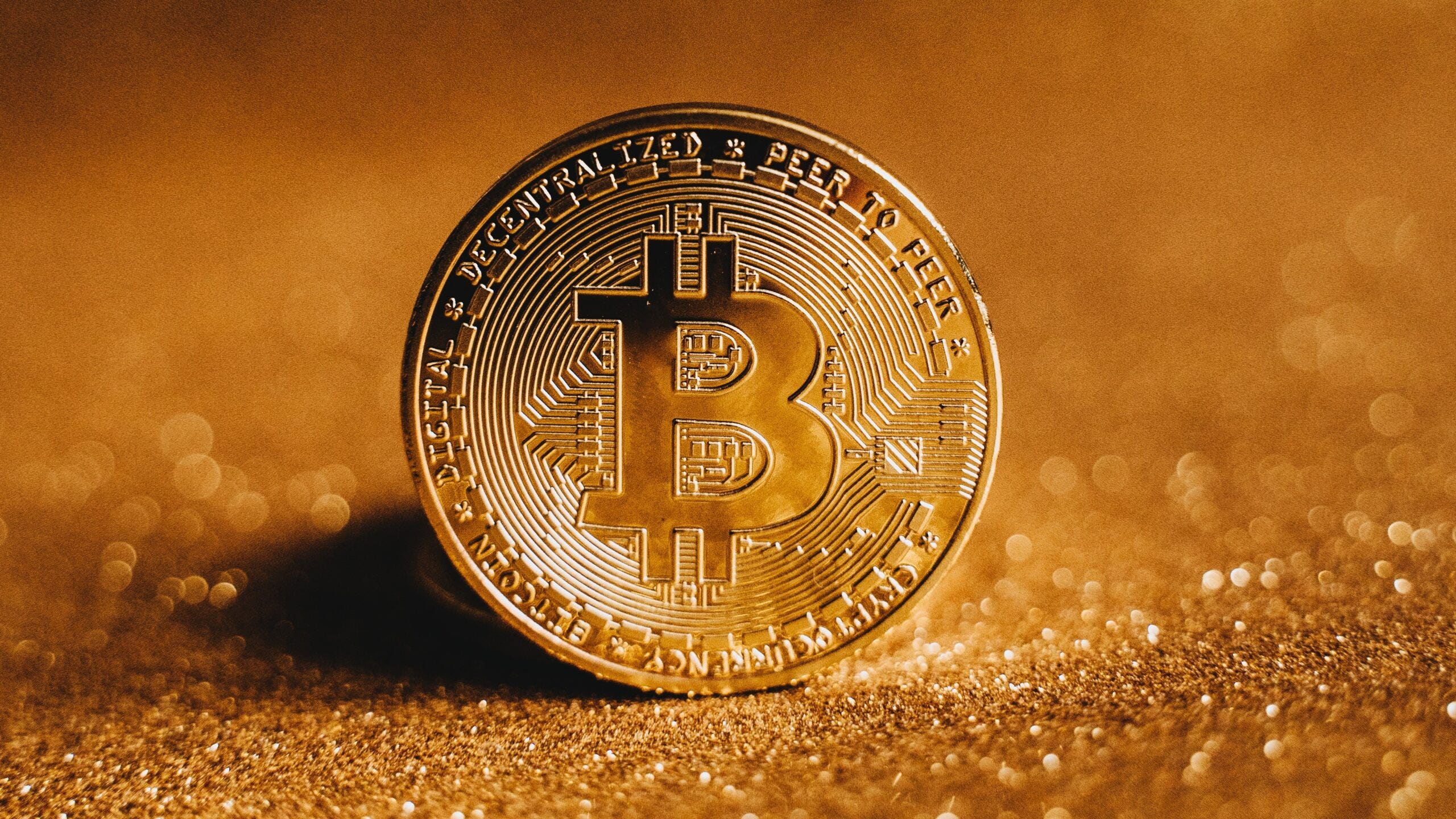
Crypto words can make your head spin when you first start reading about digital money. You see strange terms like blockchain, wallet, and gas fees scattered across news stories every day. Learning these basic terms helps you understand the news without feeling lost.
Think of this list as your simple word book for digital cash. It breaks down the key terms into plain words so you can follow along easily. You will learn what these terms mean, how they work together, and why they matter for your safety.
The Basic Terms for Digital Cash
Every new space has its own special words. Digital money is no different, but the core ideas are quite simple once you line them up. Here are the main terms you will run into right away.
A cryptocurrency is digital money that does not rely on a central bank to work. People use it to buy things, send money to friends, or trade online. Bitcoin was the very first one, created back in 2009 by an unknown person or group.
The tech behind all of this is called a blockchain. Imagine a public notebook that thousands of computers share at the same time. When someone sends money, every computer checks the move and writes it down. Once written, nobody can erase or change that record. That open sharing is what makes the system run without a single boss.
You might also hear people talk about coins and tokens. A coin has its own notebook, like Bitcoin or Ethereum. A token builds on top of an old notebook that already exists. Think of a coin like a house, while a token is a room rented inside that house.

How You Store and Move Money
Storing digital money is not like putting cash into a leather wallet in your back pocket. The terms here can trip up beginners very quickly if you do not take a close look.
A crypto wallet does not hold your actual coins. It holds two special keys that unlock your funds on the public notebook. The first is your public key, which works like your home email address. You give it to anyone who wants to send you money.
The second key is your private key, and it works like the secret password to your bank account. If someone steals this secret code, they can take all your money in seconds. Never show your private key to anyone online, no matter who asks for it.
Setting up a new wallet gives you a seed phrase too. This is a list of 12 or 24 random words, like "apple chair ocean river sun tree". If your phone breaks or your computer dies, these words help you get your wallet back. Write them on real paper and hide them in a safe spot at home.
Moving money on a network costs money, and people call this payment a gas fee. Network fee is another common name for it. Computers spend real power checking your transaction, so you pay them a tiny tip for their work. When many people send money at once, gas fees can jump high. Sending five dollars on Ethereum might cost ten dollars in fees during busy hours.
Where Trading Happens and How Prices Shift
People buy and sell digital coins on online spots called exchanges. Knowing the words used on these market sites helps you stay safe while looking around.
A centralized exchange is a company that runs a trading website for you. You make an account with your email, send them real cash, and buy coins. They hold your private keys for you on their own computers. Coinbase and Kraken are two well-known examples of this setup. They feel easy to use, but you must trust the company to keep your funds safe.
A decentralized exchange is different because no single company owns it. You plug your own private wallet into the site and trade straight with other users. It gives you full control of your keys, but the steps feel harder for a complete beginner.
Prices in this space swing wildly, which brings us to the word volatility. A coin can jump up twenty percent on Monday and drop thirty percent on Tuesday. These wild swings mean you can lose money fast if you are not careful. Never put in cash that you need for rent, groceries, or bills next week.
What Is Market Cap and Why Does It Matter?
Beginners often look at the price of a single coin and make a mistake. They think a coin priced at one cent is cheap, while a coin priced at one thousand dollars is expensive. That is not how money math works here.
Market cap, short for market capitalization, tells you the full value of all the coins in existence. You find it by taking the total number of coins and multiplying that by the current price of one coin. A coin priced at one cent might have billions of coins out there, making its total value huge.
Looking at the market cap helps you see the real size of a project. Bitcoin has held the top market cap spot for years, often worth over five hundred billion dollars in total. Smaller projects might have a cap of just one million dollars. Smaller projects carry much higher risk because a few traders can push the price up or down fast.
When reading about project size and overall industry trends, check out our full collection of crypto basics guides and news reviews to stay informed. Learning the math keeps you from falling for cheap coin tricks online.
Words Used in Scams and Safety Risks
The digital coin space has many bad actors waiting to steal cash from new users. Learning scam words helps you spot trouble before you click a bad link.
A rug pull happens when developers build a shiny project, take cash from buyers, and vanish overnight. They turn off their website and take all the pooled money with them. You wake up to find your coins are worth zero. Always check who built a project before sending any money their way.
Phishing is another trick where thieves make a fake site that looks just like your real wallet site. They send you an email asking you to type in your seed phrase to fix a problem. If you type it in, a script steals everything in your wallet. Online safety matters a lot today, as hackers even target major email services. You can read about how a New Gmail Exploit Lets Hackers Read Your Emails for Monthly Fee to see how careful you must be online.
People also use the term FOMO, which stands for fear of missing out. Scammers try to spark FOMO by telling you a coin will go to the moon tomorrow. They want you to rush without thinking so you make silly mistakes. Taking your time is always the best move.
Popular Slang You Will See Online
Crypto communities on Reddit and X use a lot of slang. These short words might look like typos, but people use them every day.
HODL is the most famous word in the space. It started as a funny typo for the word hold in an old online chat room back in 2013. Today, it means keeping your coins for a long time, no matter how low the price drops. People who HODL ignore daily price swings completely.
A whale is a person or fund that owns a giant pile of coins. If a whale sells their stash all at once, the whole market price can drop in minutes. Small traders watch whale moves closely to see where the market might head next.
Whales can shift prices easily on small coins. A single move of ten million dollars can shake up a tiny coin market instantly. Watching how these big players move helps you see why small coins carry so much extra danger for normal people.
How to Keep Learning Without Taking Big Risks
Learning this new words list takes a bit of time, but you do not need to rush. Read news articles slowly and look up terms whenever you run into something new. Taking small steps keeps you safe while your knowledge grows.
If you decide to try using digital cash, start small. Put in a tiny amount of money that you can lose without feeling sad or stressed. Practice moving small funds between wallets so you get used to private keys, gas fees, and seed phrases.
Double-check every address before you hit the send button online. Write down your secret words on paper, keep them away from liquid, and never share them. What is one crypto word that confused you the most when you first read about it?
Comments
Post a Comment
hi